Choosing the right water heater for your Utah County home is a decision that affects your daily comfort, energy bills, and long-term budget. With both traditional tank and modern tankless systems available, understanding the key differences can help you make the choice that fits your household’s needs. Whether you’re replacing an aging unit or upgrading to a more efficient system, knowing what each option offers makes the decision clearer.
Need help deciding which water heater is right for your home? Contact Gillette Heating And Air Conditioning today by calling (801) 760-7724 or filling out our online contact form to speak with a water heating expert.
How Traditional Tank Water Heaters Work
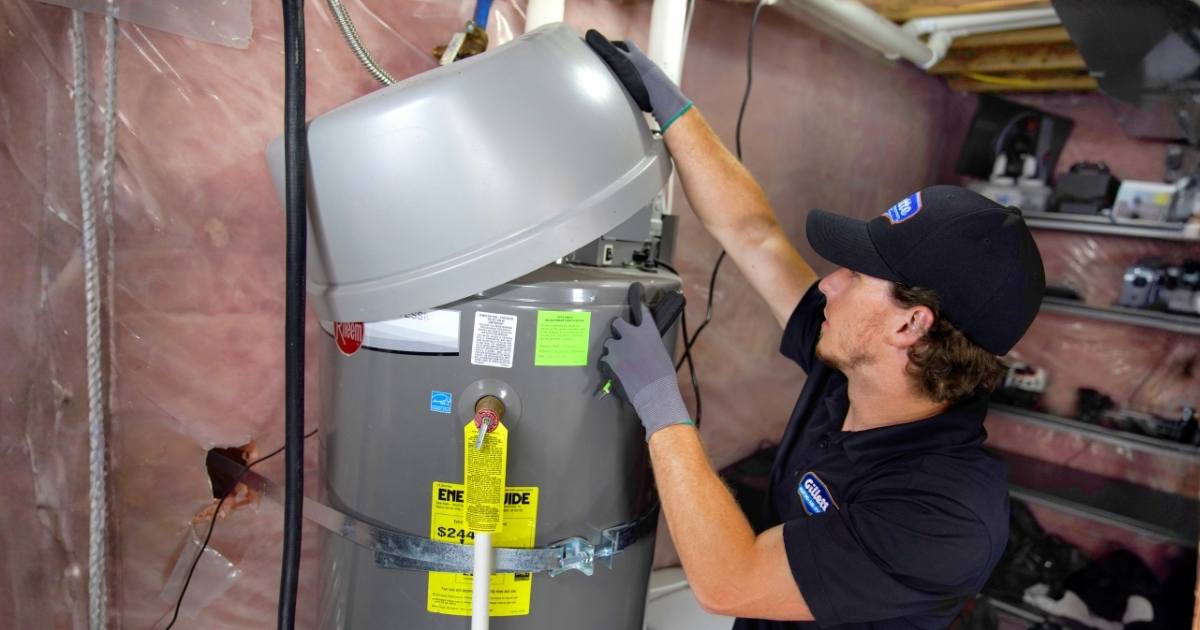
Traditional tank water heaters store and heat water in a large insulated tank, typically holding between 30 to 80 gallons. The system keeps water at a set temperature around the clock, so hot water is ready whenever you turn on a faucet or shower. When hot water is used, cold water flows into the tank to be heated for the next use.
These systems use either natural gas or electricity to maintain water temperature. Gas models heat water faster and often cost less to operate in Utah County, where natural gas rates are typically lower than electricity. The stored water approach means your family has immediate access to hot water without waiting for it to heat up.
Understanding Tankless Water Heater Technology
Tankless water heaters, also called on-demand systems, heat water only when you need it. When you turn on a hot water tap, cold water flows through the unit where either a gas burner or electric element rapidly heats it. This means you get hot water without storing it in a tank.
Because tankless systems don’t maintain a reservoir of heated water, they can be significantly more energy-efficient. You’re not paying to keep 40 or 50 gallons of water hot throughout the day and night. For Utah homeowners concerned about utility costs, this difference can add up over time.
Comparing Costs: Initial Investment and Long-Term Savings
The upfront cost is often the first consideration when choosing between water heater types. Here’s what Utah County homeowners typically face:
Traditional Tank Water Heaters:
- Lower initial purchase price, usually $800-$1,500 for the unit
- Installation costs are generally lower due to simpler setup
- Replacement is often straightforward if matching existing connections
- Operating costs vary based on tank size and insulation quality
Tankless Water Heaters:
- Higher upfront investment, typically $1,500-$3,500 for the unit
- Installation may cost more, especially if upgrading from a tank system
- Gas models might require upgraded gas lines or venting systems
- Operating costs are often 20-30% lower than traditional tanks
While tankless systems cost more initially, the energy savings can offset this difference over the unit’s lifetime. Utah’s climate, with cold winters requiring more hot water heating, makes efficiency particularly valuable.
Energy Efficiency and Environmental Impact
Energy efficiency matters both for your wallet and the environment. Traditional tank water heaters constantly work to maintain water temperature, a process called standby heat loss. Even with good insulation, some heat escapes, and the system must reheat the water periodically.
Tankless systems eliminate standby heat loss entirely. They achieve efficiency ratings of 80-98%, compared to 60-70% for most tank models. For a Utah County household using 41 gallons of hot water daily, a tankless system can reduce energy use by up to one-third.
However, efficiency depends on usage patterns. Families who use hot water throughout the day see greater savings with tankless systems. Smaller households with concentrated usage periods might find the difference less dramatic.
Performance and Capacity Considerations
How well a water heater meets your needs depends on your household size and usage patterns. Traditional tanked water heaters offer a specific volume of hot water before requiring recovery time. A 50-gallon tank can typically handle two consecutive showers, but a third person might experience cooler temperatures while the tank reheats.
Tankless systems provide continuous hot water but at a limited flow rate. A single tankless unit typically delivers 2-5 gallons per minute, depending on the model and incoming water temperature. Utah’s cold groundwater in winter means the system works harder to reach desired temperatures, potentially reducing flow rate.
For larger homes or families, you might need:
- A larger tank (60-80 gallons) for traditional systems
- Multiple tankless units for simultaneous use at different locations
- A high-capacity tankless system with adequate flow rate
Running a dishwasher, washing machine, and shower simultaneously can challenge a single tankless unit, while a tank system provides stored capacity but risks depletion.
Lifespan and Maintenance Requirements
Durability and maintenance needs factor into the total cost of ownership. Traditional tank water heaters typically last 10-15 years with proper maintenance. Annual flushing to remove sediment buildup and periodic anode rod replacement help extend their lifespan.
Tankless water heaters often last 20 years or more, nearly doubling the lifespan of tank systems. However, they require annual maintenance, especially in areas with hard water. Utah County’s water varies in hardness by location, and mineral buildup can affect tankless performance if not addressed.
Maintenance considerations include:
- Traditional tanks: Flush annually, check anode rod every 3-5 years, inspect temperature and pressure relief valve
- Tankless systems: Descale annually, clean air filter regularly, check for error codes, inspect venting
Professional maintenance helps both systems perform efficiently and reach their full lifespan potential.
Space Requirements and Installation Location
Physical space is an often-overlooked factor. Traditional tank water heaters require significant floor space, typically a 2-3 foot diameter area with clearance around the unit. They’re usually installed in basements, garages, or utility closets.
Tankless units mount on walls and are roughly the size of a suitcase. This compact design frees up floor space and allows installation in tighter areas. Some homeowners install tankless units in closets, crawl spaces, or even outdoors with proper weatherproofing.
For Utah homes with limited square footage or those wanting to maximize usable space, the compact nature of tankless systems offers a real advantage. However, gas tankless units require proper venting, which may limit placement options in some homes.
Climate Considerations for Utah County Homes
Utah’s climate creates specific challenges for water heating systems. Cold winters mean incoming water temperatures can drop to 40-50°F, requiring more energy to heat water to comfortable levels. Traditional tank systems handle this by maintaining stored hot water, while tankless units must work harder during cold months.
During winter, a tankless system’s flow rate may decrease as it takes longer to heat colder incoming water. A unit that provides 5 gallons per minute in summer might deliver only 3-4 gallons per minute in January. This doesn’t affect single-use situations but can impact multiple simultaneous demands.
Traditional tanks aren’t immune to seasonal challenges either. Cold ambient temperatures in unheated spaces can increase standby heat loss, forcing the system to cycle more frequently and raising operating costs.
Making the Right Choice for Your Home
There’s no universally perfect water heater choice. The right system depends on your specific situation, household needs, and priorities. Consider these questions as you decide:
- How many people live in your home? Larger families typically benefit from tank systems’ storage capacity or may need multiple tankless units.
- What’s your hot water usage pattern? Families using hot water throughout the day see greater savings with tankless systems, while concentrated usage might favor tanks.
- What’s your budget? If upfront costs are a primary concern, traditional tanks offer lower initial investment. If long-term savings matter more, tankless systems often pay for themselves over time.
- How long do you plan to stay in your home? Tankless systems’ longer lifespan and resale appeal benefit homeowners planning to stay long-term.
- Do you have space constraints? Compact tankless units suit homes where square footage is valuable.
Ready to Upgrade Your Water Heater?
Choosing between tank and tankless water heaters is an important decision that affects your home’s comfort and efficiency for years to come. The right choice depends on your family’s specific needs, budget, and long-term plans. Whether you need the reliable capacity of a traditional tank system or the efficiency of a modern tankless unit, getting expert guidance helps ensure you make the choice that works for your Utah County home.
Gillette Heating And Air Conditioning has helped countless homeowners navigate water heater decisions and installations. Our team can assess your home’s specific needs, explain your options in detail, and provide professional installation that meets all local codes.
Don’t tackle this decision alone—call (801) 760-7724 or complete our online contact form to schedule a consultation with our water heating specialists.